other

Blog

Home

Blog

  • Thermal Expansion and Contraction of Wood-Plastic Composite Flooring: The Real Cost of 3 Installation Mistakes
    Thermal Expansion and Contraction of Wood-Plastic Composite Flooring: The Real Cost of 3 Installation Mistakes
    Mar 17, 2026
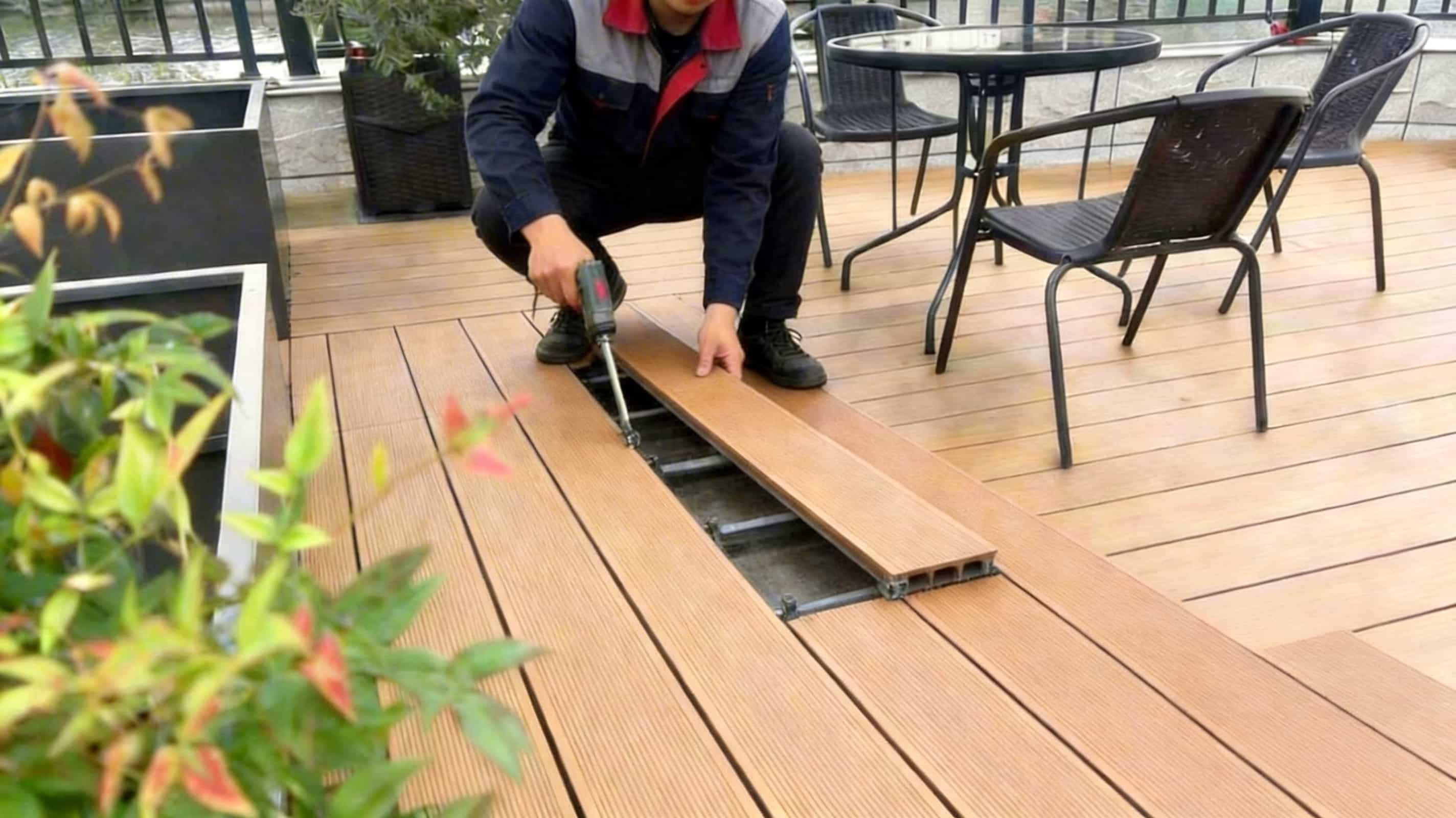
    In the outdoor architectural and decorative industry, nothing adds more value to a home than a perfectly installed deck. However, as seasons change and temperatures fluctuate, even the sturdiest-looking outdoor wood-plastic composite flooring can fail completely due to a seemingly minor installation detail—the provision of expansion gaps. As a manufacturer with years of experience in the WPC industry, we have witnessed far too many catastrophic consequences resulting from a disregard for the principles of thermal expansion and contraction. Today, through three real-life case studies, we will delve into how errors in leaving expansion gaps have cost customers dearly, and provide valuable installation guidance for contractors and homeowners. Case 1: Arizona Pool Deck—Widespread Warping Caused by Summer Expansion In the summer of 2023, a high-end residential project in Phoenix, Arizona, experienced unprecedented deck failure. The project utilized approximately 150 square meters of composite decking, installed in the spring when temperatures were around 25°C. However, when summer temperatures soared above 45°C, the entire deck surface experienced severe warping and deformation. Multiple planks pressed against one another, causing the interlocking joints to break; in some areas, the deck even buckled upward by more than 5 centimeters, rendering it completely unusable. The root cause was that the installation team failed to allow sufficient expansion joints based on the material’s coefficient of thermal expansion. The thermal expansion coefficient of WPC material is approximately 0.00006/°C, meaning that a temperature difference of 20°C results in approximately 7.2 millimeters of expansion per 6 meters of board length. In this project, the continuous flooring length exceeded 12 meters, yet less than 3 millimeters of gap was left at each end—far insufficient to absorb the stress caused by thermal expansion. Ultimately, the client was forced to remove the entire floor and reinstall it, resulting in direct losses exceeding $18,000—not to mention project delays and reputational damage. This case clearly demonstrates the importance of professional WPC flooring installation. Case 2: Toronto, Canada Courtyard—Excessive Gaps Caused by Winter Contraction In contrast to the Arizona case, a residential project in Toronto, Canada, encountered issues caused by winter contraction. The project was installed during the summer heat, with gaps of only 2 mm left between the planks. However, when winter temperatures dropped to -20°C, the flooring material contracted significantly, causing the gaps between planks to widen to nearly 15 mm. Such wide gaps not only compromised aesthetics but also created a safety hazard—a homeowner’s child got their foot stuck in a gap while playing, resulting in a sprain. This case highlights an often-overlooked fact: WPC materials not only expand in heat but also contract in cold. During installation, the local annual temperature range must be comprehensively considered, rather than relying solely on the temperature at the time of installation. In temperate and cold regions, the recommended installation gap should be between 5 and 8 millimeters, and should be appropriately increased as the installation length grows. Additionally, a minimum expansion gap of 10 millimeters must be left between the flooring and fixed structures such as walls and columns, and covered with specialized edge trim to ensure both aesthetics and safety. Case Study 3: Australian Beachfront Villa—The Double Whammy of Humidity and Temperature Fluctuations A seaside villa project on Australia’s Gold Coast faced even more complex challenges. Located in a marine environment characterized by high humidity and high salinity, the site also experiences significant seasonal temperature fluctuations. Although the installation team provided expansion gaps for temperature changes, they completely overlooked the impact of humidity fluctuations on WPC materials. While WPC flooring has a much lower water absorption rate than natural wood, it still undergoes dimensional changes of approximately 0.5%–1% under prolonged high-humidity conditions. More seriously, the project utilized a hollow-core flooring system but failed to establish appropriate spans between joist support points as required by specifications. Under the combined effects of temperature and humidity, the flooring underwent uneven deformation, resulting in a wavy undulation on the surface, and the fixing clips in some areas fractured due to fatigue from repeated stress. Repairing this project required not only replacing all the flooring but also readjusting the joist structure, with the total cost amounting to nearly three times that of the initial installation. This once again demonstrates that the installation of outdoor WPC flooring must strictly adhere to the manufacturer’s technical specifications and cannot be arbitrarily adjusted based on experience. Key Principles and Best Practices for Scientific Expansion Joint Planning Based on the above case, we have summarized the core principles for expansion joint planning in WPC flooring installation. First, the minimum expansion gap must be calculated based on the material’s coefficient of linear expansion and local extreme temperature differences, using the formula: Expansion Gap (mm) = Length (m) × Temperature Difference (°C) × Coefficient of Expansion × 1000. Second, continuous installation lengths should not exceed 6 meters; expansion joints must be installed beyond this length. Third, a perimeter gap of at least 10 millimeters must be maintained between the flooring and any fixed structures. Fourth, choosing the right installation season is also crucial; installing during periods of average annual temperatures helps minimize the risk of extreme expansion or contraction. Finally, we strongly recommend that contractors carefully read the manufacturer’s installation guidelines and undergo professional technical training before installation. High-quality WPC flooring installation services are not only critical to the success of your project but also directly impact your business reputation and customer satisfaction. As a responsible WPC manufacturer in China, we provide our customers with detailed technical support and installation training to ensure that every plank of flooring stands the test of time. Remember, proper installation and gap allowance are not costs, but rather the best investment in your project’s quality and your customers’ trust. In the highly competitive market of outdoor architectural decoration, details determine success or failure, and scientific installation standards are the key to distinguishing professionals from amateurs.
    Read More
  • Saving $1 on traditional lumber costs $3 in post-installation repairs and damages your reputation.
    Saving $1 on traditional lumber costs $3 in post-installation repairs and damages your reputation.
    Mar 13, 2026
    “Project completion doesn't mean the job is done.” This is a reality every builder knows. In the construction industry, builders often face a thorny issue: persistently high post-delivery maintenance costs. Repeated repairs not only consume significant labor, materials, and finances but can also damage a builder's reputation and hinder future business growth. The emergence of high-quality wood-plastic composite products offers an effective solution to this challenge. As a leading Chinese manufacturer of wood-plastic composites, we understand that builders need materials that perform as well long after installation as they did on day one. In this article, we explore how premium wood-plastic products can significantly reduce your post-installation maintenance costs, helping you build a more profitable and sustainable business. Here are some key issues with traditional wood: ● Absorbs water, causing swelling and warping, leading to board buckling and joint cracking ● Severe surface fading within 2-3 years, resulting in customer complaints about uneven color ● Begins rotting in humid environments after 3-5 years, especially around fastening points ● Termite/woodworm infestation, with internal hollowing often going unnoticed ● Requires 2-4 maintenance visits annually, leading customers to complain about the hassle and blame the builder How wood-plastic products fundamentally solve these issues Cost-effective outdoor flooring significantly reduces post-installation maintenance costs by eliminating traditional wood's inherent flaws at the material level. Wood-plastic composite (WPC) is formed by extruding wood fibers and thermoplastic resin under high pressure. This unique structure provides complete waterproofing. Moisture cannot penetrate the material, preventing warping caused by water absorption and expansion or drying and shrinkage. Once installed, the boards maintain dimensional stability long-term. Seams won't widen or narrow due to humidity changes, and fasteners won't loosen from wood shrinkage. This means builders receive virtually no post-project complaints about board warping or seam cracking, drastically reducing costly rework. Regarding UV resistance and color retention, UV-resistant wood-plastic composite boards utilize co-extrusion technology to form a dense protective layer on the surface. This layer effectively blocks UV radiation, preventing the degradation of pigment molecules within the material. Unlike traditional wood requiring re-staining every two to three years, the color of wood-plastic products remains vibrant for over a decade. Even in intense tropical sunlight, the board surface shows no noticeable color variation or graying. Customers need not worry about outdoor decks becoming mottled and unsightly after years of use, while builders avoid warranty claims and rework costs stemming from color issues. Durable rot and insect resistance represents another core advantage of wood-plastic composites. Since the material lacks organic nutrients accessible to fungi and insects, termites, wood-boring insects, and decay fungi cannot survive or reproduce on these boards. This property proves particularly crucial in humid, hot climates. Feedback from builders in Southeast Asia, South America, and Africa indicates that post-installation service calls related to insect infestation and rot have decreased by over 80%. Darkening and softening around fastening points no longer occur, and the underside of boards in contact with joists does not rot due to prolonged moisture exposure. Structural integrity is safeguarded, thereby reducing builders' liability risks. Substantial Reduction in Maintenance Costs Traditional wood decks require cleaning two to four times annually, sanding and staining every two to three years, and annual sealing. These maintenance tasks incur material costs and labor expenses. High-quality wood-plastic composite flooring, however, only needs occasional rinsing with clean water to maintain its appearance—no sanding, staining, or sealing required.   For a typical 500-square-foot deck project, traditional wood maintenance costs over twenty years could reach $8,000 to $10,000, while WPC products incur only about $500. This disparity accumulates into significant cost advantages across multiple projects. More importantly, reduced maintenance costs directly translate into higher profit margins for builders. When clients choose WPC products, they purchase not just a material, but long-term peace of mind. Builders can redirect the labor and time previously spent on post-installation repairs toward developing new projects and expanding their business. Simultaneously, satisfied customers are more likely to recommend the product to friends and family, creating a virtuous cycle of word-of-mouth promotion. Many builders report that since shifting to promoting low-maintenance decking boards, their repeat customer rate and referral conversion rate have significantly increased. Warranty Support Transfers Risk to the Manufacturer By partnering with a reputable WPC manufacturer, builders also gain access to comprehensive warranty support. High-quality WPC products typically offer a ten-year structural warranty and a fade warranty exceeding ten years, both directly covered by the manufacturer. Should product quality issues arise, the manufacturer handles claims and replacements, relieving builders from full liability. This risk transfer mechanism safeguards builders' profit margins and reduces customer disputes. In contrast, traditional wood warranties typically last only one to five years, with many damages excluded from coverage. Builders often must cover repair costs out of pocket. Conclusion: Invest in Quality, Reap Long-Term Rewards In summary, high-quality WPC products eliminate core issues like warping, fading, rot, and insect damage, reducing after-sales maintenance needs at the source. The significant reduction in maintenance frequency directly translates to cost savings, while the manufacturer's warranty support further shifts risk away from the builder. Although the initial material cost of WPC products may exceed that of traditional wood, the total cost of ownership over a decade is actually lower. For builders, this translates to higher profit margins, stronger client relationships, increased referral business, and enhanced market competitiveness. If you're seeking solutions to reduce post-construction maintenance costs, we invite you to contact us. We offer complimentary samples for testing, customized quotes for your next project, and technical consultations with our team. Choosing high-quality wood-plastic composite isn't just selecting a material—it's embracing a smarter, more sustainable business approach. Build smarter, maintain less, earn more—that's the true value wood-plastic composite delivers to builders.
    Read More
  • Which is Better for Your Outdoor Project: PVC or WPC?
    Which is Better for Your Outdoor Project: PVC or WPC?
    Mar 11, 2026
    When planning new deck, fence, or siding projects, homeowners and contractors often face a critical choice: opt for traditional PVC (polyvinyl chloride) or the increasingly popular wood-plastic composite (WPC)? Both materials promise durability and low maintenance, yet they differ fundamentally in composition, performance, and aesthetic appeal. Demand for sustainable building materials with a natural feel has reached unprecedented heights. I'll delve into the science and practicality of both materials to help you make an informed decision for your outdoor living space. When it comes to PVC and WPC, the most fundamental difference lies in their material composition: one is a synthetic polymer, the other a composite material. Each possesses distinct advantages and characteristics, which is precisely why they were developed and adopted. To determine which material is superior and better suited for our specific applications, we must first understand their composition. PVC is a 100% synthetic plastic polymer. Its advantages include exceptional water resistance and low production costs. However, because it contains no organic components, its surface often appears overly glossy, frequently conveying a distinct “plastic feel.” It cannot replicate the complex, textured grain or the warm tactile quality of real wood. On the other hand, WPC is a composite material blending wood fibers (or bamboo powder) with plastic and binders. This unique combination allows outdoor WPC flooring to combine the best of both worlds: it possesses the structural stability and moisture resistance of plastic while also featuring the natural grain, patterns, and matte finish of solid wood. For projects prioritizing aesthetics and a natural feel, WPC offers exceptional visual depth that pure PVC simply cannot replicate. In outdoor applications, heat resistance is a critical factor, making heat-resistant flooring particularly important. One of the most significant technical limitations of pure PVC is its high thermal expansion coefficient. During hot summers, when direct sunlight causes surface temperatures to soar, PVC panels undergo significant linear expansion. This physical characteristic often leads to severe engineering issues: expansion continues even after filling the gaps originally left between panels, causing the entire surface to warp, buckle, or develop immense stress at joints. This can result in loose fasteners or panel fractures. At night, when temperatures plummet, material contraction may leave unsightly wide gaps. These not only detract from aesthetics but also pose tripping hazards for pedestrians. In contrast, WPC demonstrates exceptional dimensional stability. WPC is not pure plastic but a composite of rigid wood fibers (or bamboo powder) and a plastic matrix. These natural fibers act as a skeletal framework, similar to the “reinforcing bars” in reinforced concrete, significantly restricting the thermal movement of the plastic matrix. Consequently, even under extreme day-night temperature fluctuations, high-quality co-extruded WPC decking maintains structural flatness and stability. It effectively resists warping, sagging, and deformation, ensuring your patio remains as level as the day it was installed for years to come. Additionally, safety around pools and decks is a major concern. Pure PVC surfaces are typically smooth and non-porous. When wet (from rain or pool splashes), their surface friction coefficient plummets, becoming dangerously slippery and prone to causing slips. Moreover, PVC possesses low specific heat capacity and unique thermal conductivity. Under intense sunlight, it rapidly absorbs heat, with surface temperatures easily exceeding 60°C-70°C (140°F-154°F). This causes a burning sensation when walked on barefoot, significantly compromising outdoor comfort and potentially causing burns to pets' paws. In contrast, premium WPC products—especially co-extruded profiles—feature a specially designed embossed woodgrain texture on their surface. This microstructure significantly increases surface roughness, delivering exceptional slip resistance (even when wet) while reducing actual contact area between the foot and material, aiding heat dissipation. More importantly, the presence of wood fibers makes WPC's thermal conductivity closer to natural wood. It heats up more slowly under sunlight, offering a cool and pleasant touch. This creates a genuinely safe and comfortable barefoot environment for family members and pets. Beyond temperature and moisture, ultraviolet (UV) radiation is an invisible threat to outdoor materials. Prolonged sun exposure allows high-energy UV rays to break material chemical bonds, making UV-resistant flooring a wise choice. While PVC inherently possesses some weather resistance, its molecular chains remain susceptible to degradation under sustained UV exposure. This leads to two primary consequences: first, fading or discoloration, where vibrant colors gradually lighten or yellow; second, chalking, where the material surface loses luster, forming a white powdery substance that feels rough to the touch. The material also becomes increasingly brittle, with significantly reduced impact resistance. To mitigate this issue, PVC typically requires substantial stabilizer additives, which increase costs and diminish in effectiveness over time. Now consider WPC. Modern high-quality WPC, especially co-extruded WPC flooring, incorporates a polymer protective shell during manufacturing. This shell contains high concentrations of UV inhibitors and pigments, effectively acting as an “armor” that blocks UV penetration into the core layer. Pigments are locked deep within the protective layer, resisting UV degradation. Consequently, WPC maintains vibrant colors long-term, with colorfastness far surpassing standard PVC. This layer prevents photo-oxidation of the base material, avoiding surface chalking and brittleness. Even after years of sun exposure, WPC retains structural integrity and aesthetic appeal—eliminating the need for periodic repainting like wood and avoiding PVC's risk of later brittleness. So, which is better? If you need a temporary, low-budget solution for damp indoor areas, PVC might suffice. However, for any outdoor application—be it a spacious backyard deck, pool surround, or privacy fence—WPC is the clear winner. It bridges the gap between plastic's artificial feel and natural wood's high maintenance demands. As technology advances, wood-plastic composites will continue to widen their performance lead. Choosing WPC means selecting a material that respects the environment and withstands the elements, bringing the timeless beauty of wood into your home without the hassle of upkeep. Ready to elevate your outdoor space? Explore our premium WPC product line today and experience the difference quality makes.  
    Read More
  • WPC Flooring: Waterproof, Low-Maintenance, Yet Misunderstood—Manufacturers Reveal the Truth
    WPC Flooring: Waterproof, Low-Maintenance, Yet Misunderstood—Manufacturers Reveal the Truth
    Mar 06, 2026
    When homeowners and builders select outdoor flooring, the primary consideration is the product's weather resistance—its ability to withstand natural elements. WPC perfectly addresses the drawback of natural wood's lack of waterproofing by combining the aesthetic appeal of natural timber with the durability of engineered materials, making it a mainstream choice. Its waterproof properties are often hailed as a revolutionary breakthrough: unlike traditional wood, high-quality WPC effectively prevents water absorption, avoiding rot, warping, and structural damage. However, as its popularity grows, so do misconceptions—particularly the notions that “waterproof equals maintenance-free” and “all WPC is equally durable.” As a trusted Chinese manufacturer in the wood-plastic composite industry, we are committed to clarifying facts, dispelling myths, and empowering you to make informed choices for your outdoor spaces. Let's start with the science. WPC is manufactured by blending recycled wood fibers with high-density polyethylene (HDPE) or polypropylene through an extrusion process, forming sturdy boards. During this process, the wood fibers are completely encapsulated by plastic, creating a non-porous surface that effectively blocks water penetration. Rain, snowmelt, or pool splashes form beads on the surface and roll off without absorption. Natural wood can absorb up to 15–20% of its own weight in water, leading to swelling and cracking. In contrast, high-quality WPC decking typically absorbs less than 1%. This isn't merely “water-resistant”—it achieves inherent waterproofing at the structural level. Despite this clear scientific advantage, misconceptions persist. The first major misconception we must address is the belief that “WPC will eventually absorb water through cut edges or screw holes, leading to internal rot.” This concern stems from experiences with early composite materials or poorly formulated low-quality imitations. However, standard WPC flooring has significantly improved this issue through formulation enhancements. Moreover, high-performance composite flooring developed using advanced co-extrusion technology builds upon standard WPC foundations. Co-extruded WPC decking features a protective polymer cap layer fused around the entire perimeter of the board. Even when cut to fit specific deck dimensions, the material's integrity remains unchanged—water cannot penetrate inward via capillary action as it would in wood. Furthermore, since the boards contain no organic cellulose fibers, there is no environment supporting fungal growth, effectively eliminating the concept of “rot.” If you are not in a humid coastal area or rainy climate, you can choose the relatively inexpensive first-generation WPC flooring. If you are installing decking in a humid coastal area or rainy climate, you may want to prioritize the upgraded second-generation WPC product. Most people have the notion that since it is waterproof, it is a one-time solution, and once installed, it requires no time or effort for maintenance. This is a serious misconception—that “waterproof equals zero maintenance.” While WPC requires far less upkeep than traditional wood—eliminating the need for annual painting, staining, or sanding—it still demands regular inspection and simple cleaning. Even though the material doesn't absorb water, it remains susceptible to surface wear, stains, or environmental buildup. For instance, outdoor settings inevitably accumulate fallen leaves, dust, and organic debris on surfaces, particularly in shaded or less-trafficked areas. If left uncleaned for extended periods, accumulated leaves and organic debris can foster mold growth or cause fading. While WPC decking won't rot like wood, neglecting basic cleaning will still impact its appearance and lifespan. Waterproofing only protects the internal structure; surface maintenance remains crucial for preserving the deck's original look and slip resistance. We recommend sweeping debris weekly and washing the surface with a mild cleaner every few months. In rainy regions or areas near trees, more frequent maintenance may be necessary. While neglecting these basic steps won't directly cause structural damage, it can lead to stubborn stains, algae buildup, accelerated material erosion and aging. Accumulation of organic matter and growth of surrounding vines or creepers may clog the hollow structure of the boards and the drainage gaps between WPC decking planks, further accelerating erosion and aging. In summary, while WPC decking offers exceptional water resistance, it is not a “set-and-forget” solution. Waterproofing does not equate to maintenance-free. Our products reduce your upkeep costs compared to natural wood, delivering low-maintenance flooring. To maximize your outdoor space, treat your decking like any other high-value investment—nurture it regularly. At ForestFide, we are dedicated to producing durable outdoor flooring that balances performance, aesthetics, and practicality. Discover our range of premium WPC solutions, built to withstand nature's challenges without compromising on easy maintenance. Not just a product, but a lifestyle.  
    Read More
  • What is WPC Decking Made Of?
    What is WPC Decking Made Of?
    Mar 04, 2026
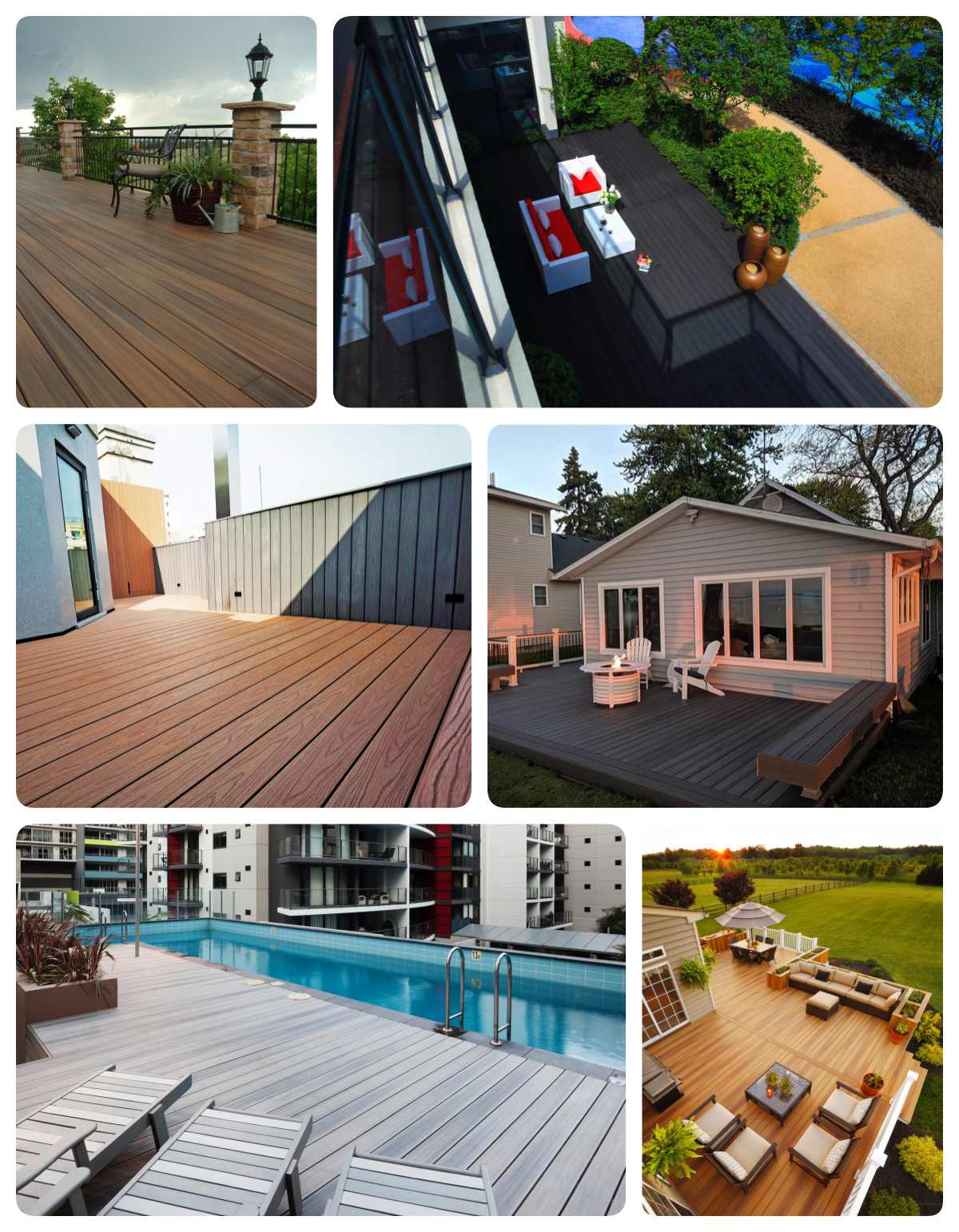
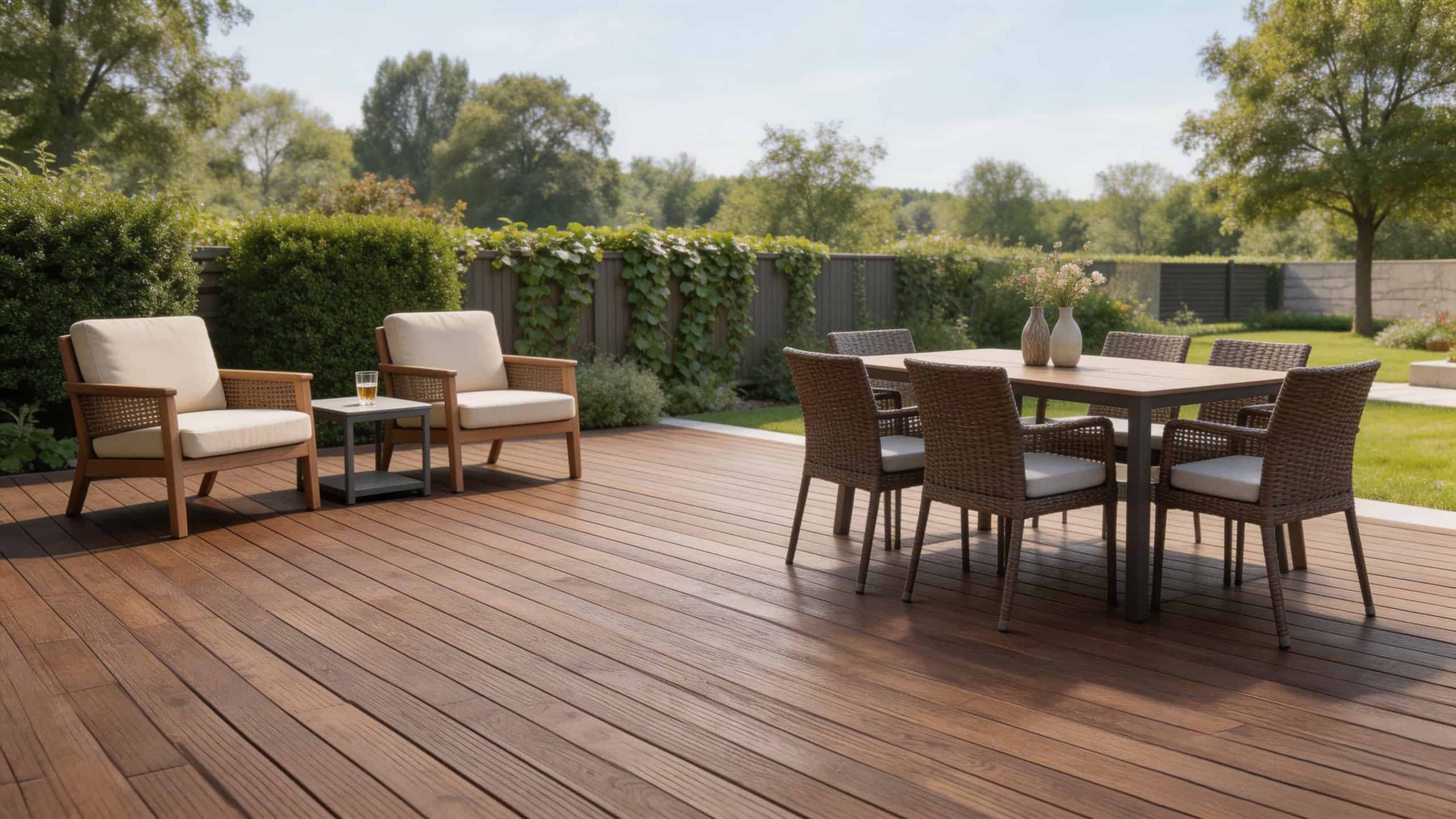
      Wood-Plastic Composite (WPC) decking has become a preferred choice for modern outdoor spaces, combining the natural charm of wood with the resilience of engineered materials. At its core, WPC decking is made from a balanced blend of wood fibers—often derived from sawdust or recycled wood—and thermoplastic polymers such as polyethylene or polypropylene. These materials are carefully compounded with additives like UV stabilizers and anti-oxidants to enhance performance. The result is a durable, low-maintenance alternative to traditional timber that resists warping, cracking, and rot. While it offers a more sustainable profile by utilizing recycled materials, the focus remains on its functional superiority and long-term value. The production of WPC decking involves a precision-driven extrusion process, where the wood-plastic mixture is heated and shaped into boards with consistent density and strength. A key advancement in this process is the use of co-extrusion technology, which applies a protective outer layer during manufacturing. This co-extruded WPC decking features enhanced surface resistance to scratches, stains, and fading, making it ideal for high-traffic outdoor areas. The cap layer also improves moisture resistance, ensuring structural integrity even in humid or wet climates. This engineering innovation not only extends the lifespan of the decking but also maintains its visual appeal over time. One of the most valued characteristics of WPC decking is its minimal maintenance requirements. Unlike natural wood, which demands regular sealing, staining, and sanding, WPC boards retain their appearance with just basic cleaning—typically a simple wash with soap and water. They are inherently resistant to termites, mold, and moisture absorption, eliminating common issues associated with traditional lumber. Especially in environments exposed to rain, snow, or splashing water, the waterproof WPC decking design ensures long-term stability and safety. This makes it a practical solution for patios, balconies, garden walkways, and poolside installations. In terms of aesthetics, WPC decking offers remarkable versatility. Manufacturers can replicate the grain and texture of various hardwoods, providing a range of colors and finishes to match different architectural styles. Among the most popular options is deep embossed WPC decking, which uses advanced embossing techniques to create a highly realistic wood-like surface. The texture not only enhances visual authenticity but also adds slip resistance, an important safety feature for outdoor use. Whether aiming for a rustic look or a sleek, contemporary finish, WPC delivers design flexibility without compromising on durability. When selecting WPC decking, it’s important to consider the quality of construction and manufacturing standards. Products with a higher wood fiber content and superior co-extrusion technology tend to perform better in real-world conditions. Look for boards that maintain color consistency and surface integrity after prolonged UV exposure. With proper installation and care, high-quality WPC decking offers a long service life and excellent return on investment. For builders, architects, and homeowners alike, choosing a reliable co-extruded WPC decking solution means combining beauty, function, and resilience in one innovative product.    
    Read More
  • The Substitute Role of Wood-Plastic Composite Materials in Urban Landscape Design
    May 29, 2025
    As you stroll through the corner park at dawn, a few fallen leaves lie scattered beside the wooden benches, while the winding boardwalk in the distance blends seamlessly with the greenery. These seemingly ordinary landscape features are quietly undergoing a green revolution—wood-plastic composite materials are redefining the very essence of urban landscapes.   While traditional wood exudes warmth in outdoor landscapes, it inevitably cracks and rots over time. A pressure-treated wooden boardwalk along a river in a southern city began showing widespread mold growth just three years after construction, with annual maintenance costs reaching 20% of the budget. Wood-plastic composites, however, combine polyethylene with wood fibers through a composite process, retaining the natural grain of wood while offering the waterproof and rot-resistant properties of plastic. Laboratory data shows that high-quality wood-plastic products have anti-aging performance five times that of ordinary wood, with a service life exceeding 15 years. In a community renovation project in Beijing, designers replaced rusty cast iron railings with wood-plastic fences. The dark gray wood-plastic composite grating not only solved the issue of rapid heat conduction in metal but also enabled smooth curved designs thanks to its flexible properties. This material is particularly striking in children's playgrounds: the anti-slip surface eliminates worn edges on swing bases, while controlled elastic modulus ensures climbing structures are both flexible and supportive.   The renovation of a riverside promenade in Shanghai provides a more compelling example. The original solid wood planks, which had to be replaced twice a year, were replaced with dark brown wood-plastic composite flooring. This not only prevents paint from peeling and polluting the water, but also enables quick installation and removal through a modular design. According to calculations by the construction company, the carbon footprint over the entire life cycle is reduced by 63% compared to traditional wood, and maintenance costs are reduced by 75%.   As the sunset casts a golden glow on the wood-plastic pergola, this material quietly embodies the concept of sustainability. It is not only an ideal alternative to wood but also a bridge connecting the natural texture of the environment with modern life, enabling urban landscapes to achieve a perfect balance between ecology and aesthetics.    
    Read More
  • Can I paint on my wood-plastic fence?
    Can I paint on my wood-plastic fence?
    Apr 07, 2025
    As modern architectural styles continue to change, the choice of outdoor decorative materials is becoming increasingly diverse. Among them, environmentally friendly composite wood-plastic fencing is becoming a popular choice due to its outstanding durability and aesthetics. Today, we will discuss a question that many consumers are concerned about: can wood-plastic fences be painted or not?   Characteristics of wood-plastic fencing As the industry's leading composite fencing manufacturer, we specialize in providing high-quality, modern wood plastic fencing solutions. Wood plastic fencing skillfully blends the natural beauty of wood with the durability of plastic, while providing excellent waterproof performance, which makes it especially outstanding in outdoor waterproof composite fencing application scenarios. Whether it is the rainy southern region, or the northern environment of the changing climate, wood-plastic fences can rely on their own characteristics to maintain stability and effectively resist the erosion of the natural environment.   WPC fence painting feasibility analysis Back to the original question, wood plastic fence can be painted? The answer is yes, however it is not recommended in all cases. The WPC material itself is already highly resistant to UV rays, moisture and corrosion. In regular outdoor environments, it can maintain its color and structural stability for a long period of time without the need for an additional protective coating. For example, in the courtyard of an ordinary residential neighborhood, WPC fences can still maintain their good appearance and performance after several years of sun and rain without being painted. However, in some specific scenarios, painting is not a viable option. When you want the color of the WPC fence to match perfectly with the tone of the existing building, to create a harmonious and unified visual effect, or out of the personal pursuit of unique style, want to personalize the fence, painting becomes an effective way to achieve these ideas. For example, in the outdoor space of some art parks or creative studios, WPC fences can be painted to create a unique artistic display element, adding a unique charm to the overall environment.   Preparation of WPC Fencing for Painting If you decide to paint your WPC fence, preparation is essential to ensure the best results. First, it is important to ensure that the surface of the fence is clean and free of dust, grease and other types of contaminants. The surface can be carefully wiped with a mild detergent and a soft cloth, then rinsed with water and allowed to dry. Secondly, it is very crucial to select a special paint suitable for plastic surfaces. This type of paint is designed with a special formula to better combine with wood and plastic materials and enhance adhesion, thus effectively extending the service life of the paint on the surface of the fence and reducing the appearance of problems such as peeling and fading. When choosing paint, you can also refer to the detailed information in the product manual about the applicable materials, drying time, painting process, etc., in order to ensure the smooth progress of the painting work.   Summarize Modern wood-plastic fences are designed to have the significant advantages of low maintenance and long life, and in most cases can meet the needs of use without additional painting. However, when considering personalized needs or special environmental requirements, as long as proper preparation is done and the right materials are used, painting a WPC fence is completely achievable. By applying paint, not only can the fence's aesthetics be enhanced, but also the color can be freely adjusted according to personal preferences, making it blend perfectly with any outdoor space, whether it is a cozy family courtyard or a commercial place with a strong business atmosphere. Choosing an eco-friendly composite wood-plastic fence is undoubtedly a wise decision that is both practical and environmentally friendly, adding more beauty to our life and environment.
    Read More
  • Wood-plastic flooring in the kitchen: a new choice for modern homes
    Jan 17, 2025
             In modern home design, the kitchen is not only a place for cooking, but also a space for family gatherings and emotional exchanges. Therefore, how to choose the right flooring material has become one of the key considerations in many home renovations. Wood-plastic flooring has gradually become a new choice because of its environmental protection, durability and other characteristics, especially in the anti-insect, scratch-resistant stains as well as waterproof and mildew resistance, making it very suitable for the kitchen environment.   1、insect-resistant wood-plastic decking floor - to protect your investment!          For areas like kitchens that are susceptible to moisture, the use of traditional wood flooring can expose you to the risk of insect infestation. However, insect-resistant wood-plastic decking flooring uses a special formula and manufacturing process that effectively prevents insect infestation and greatly extends the life of the flooring. This not only provides lasting beauty to your kitchen, but also ensures the value of your investment.   2、scratch-resistant stain-resistant wood-plastic decking flooring - easy maintenance          The kitchen is one of the most stain-prone places in your home, whether it's grease or other food residue that can stain or damage your flooring. Scratch- and stain-resistant WPC decking has excellent abrasion resistance and remains intact even in the face of scratches from sharp objects. In addition, its surface treatment technology makes cleaning easier and faster, just wipe gently with a damp cloth to restore the light as new.   3、waterproof and mold-proof wood-plastic decking flooring - the guarantee of healthy life!          Moist environment is the ideal conditions for mold growth, and the kitchen is often difficult to avoid the accumulation of water vapor. Waterproof anti-mold wood-plastic decking flooring can effectively prevent moisture from penetrating into the interior of the floor, thus avoiding the moldy phenomenon caused by moisture. This is essential for maintaining indoor air quality and safeguarding the health of your family. At the same time, this type of flooring also has good breathability, which helps to regulate indoor humidity levels.   To summarize, installing WPC flooring in the kitchen not only enhances the overall aesthetics of the space, but also brings many practical features. From insect resistance to scratch and stain resistance to water and mold resistance, these properties come together to form an ideal kitchen flooring solution. If you're looking for a flooring material that's both stylish and practical, consider wood-plastic flooring! It will create a more comfortable and healthy kitchen environment for you.  
    Read More
  • Explore wood-plastic wall panels: waterproof strength in the geometry?
    Jan 09, 2025
             In today's building decoration materials market, wood-plastic wall panels have gradually emerged as the favorite of many homeowners and designers. But we often have a question in mind: wood-plastic wall panels really waterproof? Today, let's find out.          First of all, we have to mention the outdoor weatherproof wall panels, which is a good hand to deal with the complex outdoor environment. It is exposed to the wind and sun, rain and snow outdoor conditions, but still can maintain a good state. Its special material formula gives it superb weather resistance, and waterproof performance is one of the key aspects. When rain hits it, it doesn't penetrate easily, but slides down the wall panel, just like putting a raincoat on the building.          Take a look at the outdoor WPC wall covering, which perfectly blends the texture of wood with the durability of plastic. Compared with traditional wood, the biggest advantage of outdoor wood-plastic wall covering is waterproof. As we all know, ordinary wood is prone to rotting and deformation when it comes into contact with water, but outdoor WPC walls are very different. Even in a long time under the rain soaked, it will not appear mold, swelling and other problems, always stick to the first line of wall protection.          The waterproof WPC wall cladding, but also waterproof to the extreme. This layer of cladding is like an extra shield to the wood-plastic wall panels, not only to enhance the overall waterproof effect, but also to enhance the durability of the wall panels. Whether it's a torrential summer rainstorm or a humid rainy season, with this layer of cladding, the interior of the wall can remain dry, effectively avoiding damage to the wall due to moisture infiltration.         Overall, with its excellent waterproof performance, WPC wall panels, whether it is outdoor weatherproof wall panels, outdoor WPC wall panels, or styles with waterproof cladding, provide a beautiful and durable wall decoration solution for our buildings, so that our homes can be free from the wind and rain.  
    Read More
  • Wood-plastic flooring: the choice of environmental protection, aesthetic and functional and important
    Jan 03, 2025
             In today's pursuit of green and sustainable development, wood-plastic flooring, with its unique environmental attributes, excellent durability and beautiful appearance, is playing an increasingly important role in modern home decoration and outdoor landscape design. In particular, Australian wood-plastic flooring, with its high quality and innovative technology, is leading the development of this trend.          Australian wood-plastic flooring, using advanced co-extrusion technology, makes the surface of the floor to form an extra layer of protection, which greatly enhances its weather resistance, abrasion resistance and stain resistance. This technology not only enhances the service life of the floor, but also reduces maintenance costs, making WPC flooring an ideal choice for parks, outdoor terraces and other public places.           From the perspective of environmental protection, wood-plastic flooring makes full use of waste plastics and wood fibers, and the composite material formed after high-tech treatment not only reduces the dependence on log resources, but also effectively recycles waste materials, in line with the concept of green environmental protection. In addition, wood-plastic flooring does not contain any harmful substances, such as formaldehyde, to ensure the safety of human beings and the environment during use.          In terms of aesthetics, Australia's wood-plastic flooring has the texture and color of natural wood, while overcoming the shortcomings of solid wood easy to deformation, corrosion, and maintains long-lasting stability and beauty. Whether it is a cozy indoor home environment, or outdoor natural scenery, wood-plastic flooring can be perfectly integrated, adding a natural harmony of beauty.          It is worth mentioning that Bunnings, as a well-known Australian building materials brand, its wood-plastic flooring products are not only of high quality, but also innovative in design to meet the diversified needs of the market.Bunnings wood-plastic flooring, undoubtedly, for the pursuit of high-quality life of consumers to provide an ideal choice.          With the progress of science and technology and the enhancement of people's awareness of environmental protection, wood-plastic flooring will certainly play a more important role in the future construction and decoration field. Choosing WPC flooring in Australia is choosing a green, beautiful and durable future. Let's embrace the green life together and enjoy the natural comfort and health brought by WPC flooring.    
    Read More
  • The Ultimate Guide to Cleaning Outdoor WPC Wall Panels: Tips for Maintaining Beauty and Durability
    Dec 27, 2024
    In modern home design, WPC wall panels have become the material of choice for outdoor spaces due to their unique aesthetic appeal and practicality. However, in order to maintain its lasting beauty and durability, proper cleaning and maintenance is essential. In this article, we will provide you with a detailed cleaning guide for WPC wall panels to help you easily maintain the freshness and elegance of your outdoor space.   Daily cleaning steps: 1. Dry Cleaning: Using a soft-bristled broom or the soft brush head attachment of a vacuum cleaner, gently sweep dust and loose debris off the surface of the wall panels to avoid scratching the surface. 2. Pre-cleaning preparation: Using a garden hose or high-pressure water gun (select low-pressure mode), rinse the wallboard from top to bottom to remove poorly adhered dirt. 3. deep cleaning:    - Prepare a mild washing solution by mixing warm water and a small amount of neutral detergent or specialized WPC cleaner.    - Using a sponge, soft cloth or soft-bristled brush, dip it into the solution and gently scrub the surface of the wallboard in a circular motion, paying special attention to areas of stubborn stains.    - For particularly dirty areas, allow the cleaner to linger a little, but avoid prolonged soaking to prevent damage to the material. 4. Thorough Rinsing: Thoroughly rinse the wallboard again with clean water to ensure there is no residual cleaner. 5. Drying treatment: natural air drying or use a clean dry cloth to gently wipe away excess moisture to avoid moisture retention leading to mold.   Annual Deep Maintenance: With the change of seasons, conduct a comprehensive inspection and maintenance to check whether the wall panels are loose, damaged or faded, repair or replace the damaged parts in time, and reapply protective oil to enhance weather resistance and aesthetics if necessary.   By following these simple but effective cleaning steps, your outdoor WPC wall panels will be able to withstand the test of harsh weather and maintain their attractive appearance and excellent performance for a long time, adding more color and comfort to your outdoor life. Regular maintenance not only extends the life of your wall panels, but also saves on long term repair costs and keeps your beautiful home looking great for years to come.  
    hot Tags : WPC wall panels
    Read More
  • WPC wall panels: a fashionable and functional choice for modern architecture
    Dec 27, 2024
             WPC wall panels are becoming an increasingly popular choice in contemporary building design.WPC, known as Wood-Plastic Composite, combines the natural beauty of wood with the durability of plastic to provide a new solution for exterior cladding. Let's explore the unique appeal of WPC wall panels and its application in modern architecture.           WPC wall panels stand out for their excellent weatherability and water resistance, making them ideal for outdoor applications. Unlike traditional materials, WPC is able to withstand harsh weather conditions, including intense sunlight, heavy rainfall and even insect infestation, greatly reducing maintenance costs and frequency.           In addition, the eco-friendly nature of WPC wall panels is one of the key reasons for their popularity. As a recyclable material, WPC wall panels support sustainable building practices. Not only does it reduce reliance on wood, it also reduces environmental impact through the use of recycled plastics.          WPC wall panels also excel when it comes to design flexibility. It can easily mimic the look of a variety of natural materials, such as wood and stone, while offering a wider selection of colors and textures. Whether it's a modern, clean style or a traditional classic design, WPC wall panels can blend perfectly to meet the needs of different architectural styles.          In short, WPC wall panels are redefining the design of modern building facades with their unique performance and aesthetic value. With the advancement of technology and continuous innovation in design, we can expect WPC wall panels to play an even more important role in the future of architecture.  
    Read More
1 2
A total of2pages

leave a message

leave a message
If you are interested in our products and want to know more details,please leave a message here,we will reply you as soon as we can.
submit

Home

Products

WhatsApp

contact